
Product Design in 2025: What Companies Expect from Modern Designers
Product design has evolved quickly over the past decade, and in 2025, companies are looking for designers who combine strategic thinking with deep user empathy and technical fluency. The modern Product Designer must work seamlessly across research, engineering, and product teams while also owning design outcomes that translate into measurable business impact.
This shift means resumes for Product Designer roles need to showcase more than creative instincts or visual design skills. Today’s designers are expected to think holistically, build rapidly, design inclusively, and create systems that scale. Recruiters are looking for candidates who can demonstrate how they deliver value, solve user problems, and influence cross-functional direction.
Below are the five most important expectations companies now have for Product Designers—and how candidates can present these strengths effectively in their resumes.
Human Design

Human-centered design remains the foundation of product work
Despite advancements in tools, frameworks, and technology, the basis of product design continues to be human-centered design. Companies look for designers who understand user needs deeply and build solutions that solve genuine problems. The ability to conduct research, synthesize insights, construct user journeys, and align design decisions with real behaviors is more important than any visual style or tool expertise.
Recruiters increasingly want to see how candidates think, not just what they produce. A strong Product Designer resume highlights the research methods used, insights uncovered, and outcomes generated. Instead of listing responsibilities alone, candidates should include metrics that show impact, such as improved task completion rates, increased user satisfaction, or reduced drop-off during onboarding.
Human-centered design also means understanding context. Designers who can articulate how they balance user needs with business goals, engineering constraints, and long-term product strategy demonstrate maturity that recruiters pay close attention to. In 2025, this balance is considered a core competency across most design teams.
Accessibility

Accessibility is a non-negotiable aspect of modern design
Accessibility is now built into product requirements rather than treated as an add-on. With regulatory standards improving globally and companies increasingly prioritizing inclusive design, Product Designers must understand accessibility principles and apply them consistently.
This includes designing for different cognitive, physical, and sensory needs, ensuring compatibility with assistive technologies, and meeting color contrast, text scalability, and navigation standards. Companies expect designers to be familiar with guidelines such as WCAG and to integrate accessibility from the earliest stages of design.
Resumes should demonstrate practical experience with accessibility considerations. Candidates can highlight projects where they improved accessibility scores, redesigned components for inclusivity, or worked closely with QA teams to test products with assistive tools. Hiring managers want to see designers who can build experiences that all users can access, not just the majority of them.
Prototyping

Prototyping speed is now a competitive advantage
In product teams that move quickly, designers must be able to translate ideas into tangible prototypes at speed. This helps teams test assumptions, validate user needs, and refine flows before development resources are invested. Fast prototyping reduces risk and accelerates decision-making.
Companies are increasingly asking designers to demonstrate proficiency with rapid prototyping tools and methodologies. This includes interactive prototypes, low-fidelity wireframes, design systems, and even lightweight usability testing processes. The ability to create prototypes that engineers and stakeholders can interact with is considered a strong indicator of product thinking.
A resume should highlight tools used, types of prototypes created, and how those prototypes contributed to product outcomes. Whether the designer enabled earlier user testing, supported faster engineering alignment, or helped refine key features, these examples help employers understand the candidate’s value beyond static design deliverables. Prototyping speed is seen as a direct driver of product velocity.
Influence
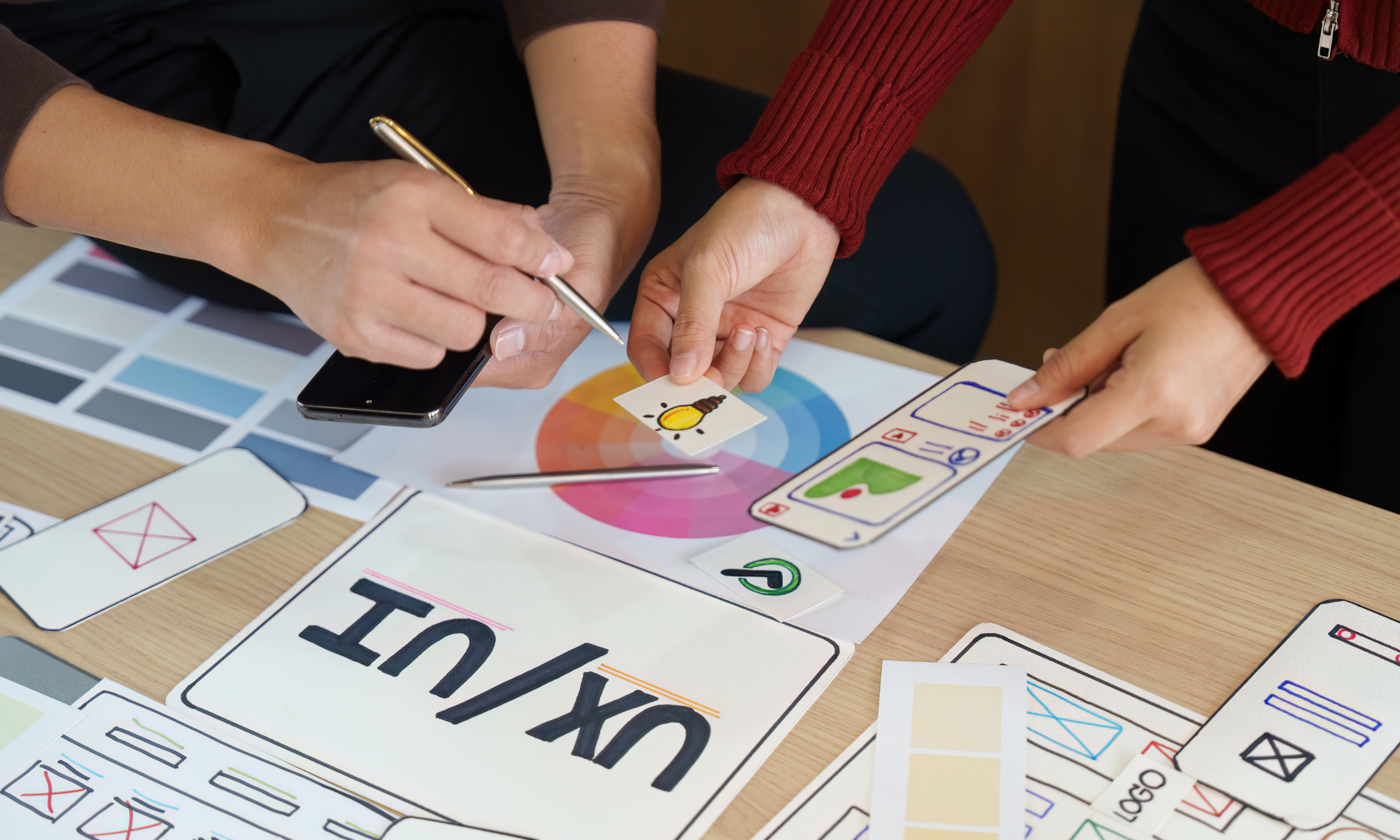
Designers must influence cross-functional teams, not just deliver visuals
Product Designers in 2025 are expected to participate in broader product strategy discussions, guide decision-making, and collaborate deeply with teams across the organization. They are not just designers; they are product partners.
This influence includes facilitating design critiques, presenting insights, partnering closely with product managers, and working through technical limitations with engineering. Companies value designers who can bring clarity to ambiguous problems, translate research into roadmap priorities, and advocate for user needs in leadership conversations.
Resumes should reflect cross-functional impact. Candidates can highlight work with product managers to define feature scope, partnerships with engineers to refine implementation, or collaboration with researchers to shape discovery efforts. Articulating influence rather than listing tasks shows hiring managers that the designer understands their role within a larger team ecosystem.
The ability to create alignment among different perspectives is now a key differentiator in senior-level product design hiring. Even at mid-level roles, influence and communication are considered essential.
Scale

Designing for scale across devices, platforms, and user types
Modern products rarely exist on a single platform. Companies expect Product Designers to think systematically and create experiences that scale across devices, regions, accessibility needs, and user profiles. This requires strong understanding of responsive design, adaptive layouts, component libraries, and the orchestration of design patterns across ecosystems.
Designers must also be able to consider long-term scalability. Features should be designed in a way that supports future functionality, internationalization, data variations, and different user journeys. Companies increasingly seek designers who can think in systems and incorporate modular design approaches.
A resume that references work with design systems, multi-platform products, or global user bases signals this capability. Showing experience designing for desktop, mobile, and tablet environments—or managing component libraries—helps demonstrate readiness for the scope of modern product development.
Conclusion
Product design in 2025 requires a combination of creativity, user advocacy, technical fluency, and strategic influence. Companies expect designers to move quickly, collaborate effectively, and deliver solutions that scale across platforms and user types. A resume that reflects these expectations helps candidates stand out in a competitive hiring landscape.
By emphasizing human-centered design, accessibility, rapid prototyping, cross-functional collaboration, and scalable system design, applicants position themselves as modern designers capable of shaping meaningful digital experiences.
Download the free template to build a Product Designer resume that showcases your skills clearly and aligns with what hiring teams look for in today’s product-driven organizations.
Don’t navigate your career journey alone—unlock expert support with our free AI-powered Career Tools Kit at CareerLab.